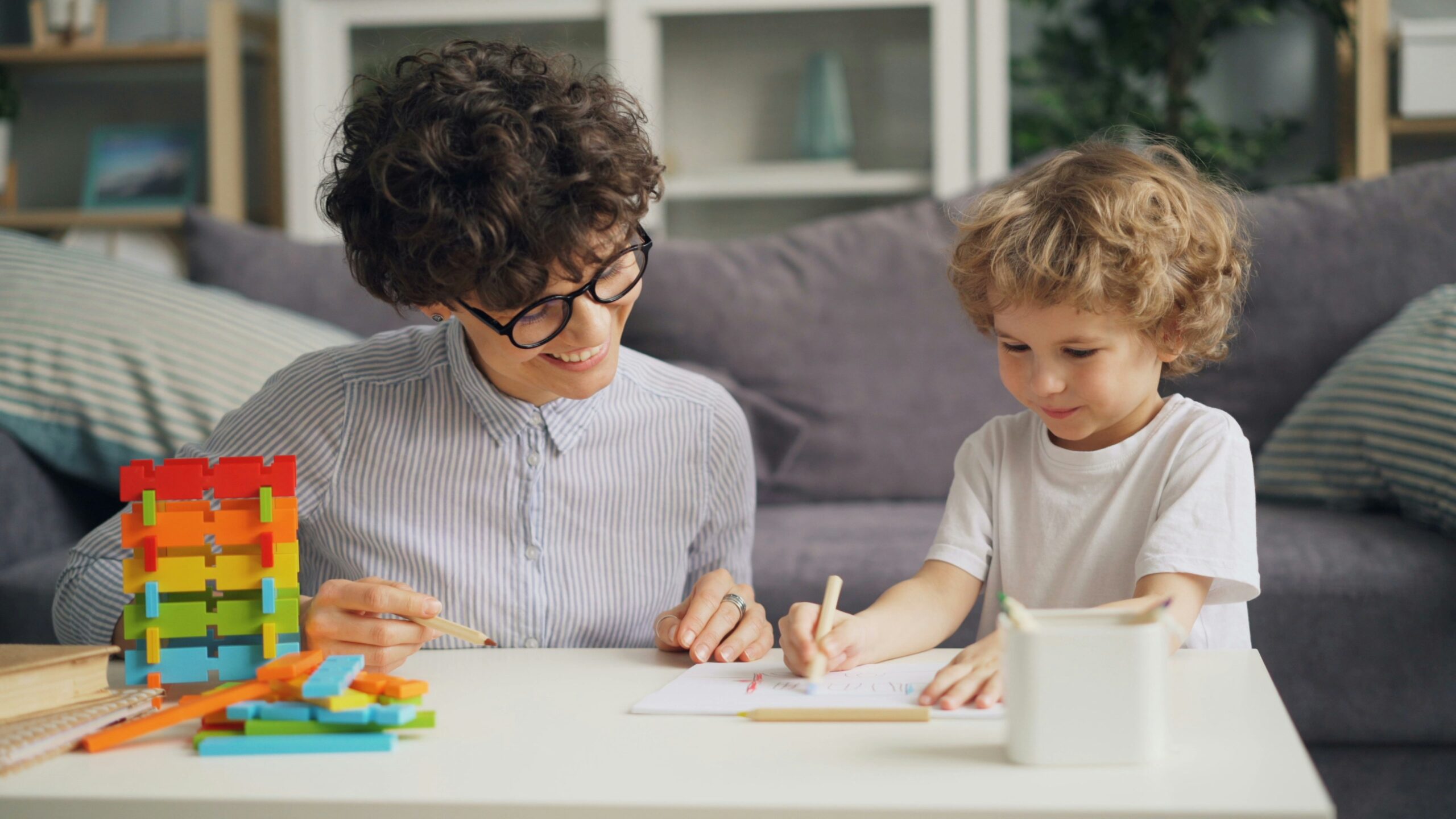
Spending quality time together can shape how children learn and grow. When families focus on educational fun activities for kids and families, they create an environment where learning feels natural and enjoyable. Children do not see these moments as lessons. Instead, they experience curiosity, creativity, and connection. As a result, they develop skills that support both academic success and personal growth.
Today, many families search for ways to combine fun with learning. Although schools play an important role, learning continues at home. When parents engage with children in meaningful activities, they strengthen both knowledge and relationships. Therefore, choosing activities that support thinking, creativity, and communication becomes essential.
Learning Through Play at Home
Play remains one of the most effective ways children learn. When families engage in educational, fun activities, they allow children to explore ideas without pressure. Through play, kids test concepts, solve problems, and express their thoughts freely. Consequently, learning becomes active rather than forced.
Moreover, playful learning helps children stay motivated. When kids enjoy an activity, they remain focused and curious. Parents can guide this process by asking questions and encouraging exploration. As a result, children develop critical thinking skills while also building confidence in their abilities.
Creative Arts That Inspire Thinking
Creative arts provide a powerful way to support learning. Activities such as drawing, painting, and crafting allow children to express ideas visually. At the same time, these activities improve focus and attention. When families practice educational, fun activities through art, they encourage imagination and originality.
In addition, creative work builds problem-solving skills. Children make choices about colors, shapes, and designs. They also learn how to correct mistakes and try again. Therefore, art activities teach patience and persistence while keeping the experience enjoyable and engaging.
Reading Activities That Build Strong Skills
Reading plays a central role in learning. Families can turn reading into a fun and interactive activity by sharing stories. When parents read aloud, they help children improve vocabulary and comprehension. At the same time, children develop listening skills and imagination.
Furthermore, discussing stories strengthens understanding. Families can talk about characters, events, and lessons. This interaction helps children think deeply and express their ideas. As a result, reading becomes one of the most valuable educational and fun activities for kids and families.
Simple Science Experiments at Home
Science activities bring excitement into learning. Families can conduct simple experiments using everyday materials. These activities allow children to observe, predict, and test ideas. Therefore, they learn how scientific thinking works in practice.
At the same time, experiments encourage curiosity. Children ask questions and explore answers through hands-on experiences. Parents can guide discussions and explain results in simple terms. As a result, science becomes both fun and educational, making it an essential part of family learning.
Math Games That Feel Like Play
Many children find math challenging. However, when families turn math into games, learning becomes enjoyable. Counting games, puzzles, and simple challenges help children practice numbers without stress. Consequently, they build confidence in their math skills.
In addition, math games improve logical thinking. Children learn how to solve problems step by step. Parents can support learning by encouraging effort and celebrating progress. Therefore, math is one of the most effective and fun educational activities for kids and families.
Cooking as a Learning Experience
Cooking offers a practical way to teach important skills. When families cook together, children learn measurement, timing, and organization. At the same time, they follow instructions and understand sequences. Therefore, cooking becomes both fun and educational.
Moreover, cooking encourages independence. Children take part in tasks and see the results of their efforts. Parents can explain concepts as they guide the process. As a result, cooking supports both learning and family bonding.
Outdoor Learning Adventures
Outdoor activities provide valuable learning opportunities. Families can explore parks, gardens, or neighborhoods while observing nature. These experiences help children understand the environment and develop curiosity about the world around them.
In addition, outdoor learning supports physical health. Movement and fresh air improve focus and energy levels. Parents can ask questions and encourage observation during these activities. Therefore, outdoor exploration remains a key part of educational fun activities for kids and families.
Storytelling and Imagination Games
Storytelling allows children to express ideas and build communication skills. Families can create stories together by taking turns. This activity encourages creativity and helps children think in new ways. At the same time, it strengthens language skills.
Furthermore, imagination games build confidence. Children learn how to share ideas and listen to others. Parents can guide the story while allowing children to lead. As a result, storytelling becomes a valuable tool for learning and connection.
Educational Board Games and Puzzles
Board games and puzzles offer structured learning in a fun format. These activities teach strategy, memory, and problem-solving. Families can choose games that match their child’s age and interests. Consequently, children remain engaged and motivated.
In addition, games teach social skills. Children learn how to take turns, follow rules, and cooperate with others. Parents can support positive behavior and encourage teamwork. Therefore, games play an important role in educational fun activities for kids and families.
Music and Movement for Brain Development
Music supports learning in many ways. Singing, dancing, and rhythm activities help children develop coordination and memory. At the same time, music encourages emotional expression and creativity. Families can enjoy these activities together while supporting development.
Moreover, movement improves focus and energy. Children stay active while learning new skills. Parents can introduce songs or create simple routines. As a result, music and movement become enjoyable and effective learning tools.
Building Projects That Encourage Problem Solving
Building activities allow children to explore design and structure. Families can use blocks, recycled materials, or simple tools to create projects. These activities encourage planning and creativity. Therefore, children learn how to solve problems through hands-on experience.
In addition, building strengthens persistence. Children face challenges and learn how to overcome them. Parents can guide the process while allowing independence. As a result, building projects support both learning and confidence.